


Pools reopening, whole days spent outdoors, family holidays in an unfamiliar place... summer brings together, almost by accident, every ingredient behind the seasonal rise in child drownings. Understanding why helps families prepare, without unnecessary anxiety but with the right reflexes.
One death in three involves a child under 6
The figures reported each season are clear: a very significant share of drownings involves very young children, with drowning also remaining one of the very leading causes of death among people under 25 in France. A reminder worth taking seriously, without turning family downtime into a source of anxiety.
Why holidays increase the risk
During summer, children often discover an environment they don't know: a rental property's pool, a lake, an unfamiliar beach. This novelty, combined with vigilance that's sometimes relaxed during downtime — after all, it's the holidays, everyone unwinds a little — creates fertile ground for an accident.
Classic summer traps
- A change of location: a pool that "looks the same" may not have the same depth, access points, or safety rules.
- Meals and drinks by the water, where supervision becomes social and therefore diffuse.
- Holiday tiredness, which lowers everyone's vigilance, adults and children alike.
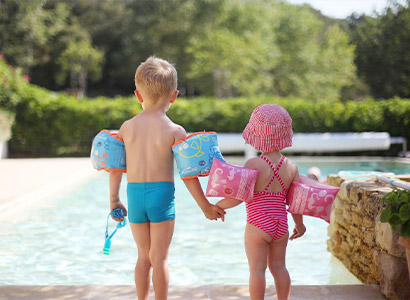
- A false sense of confidence: "they have armbands on", "they already know a bit of swimming"...
Preparing for summer beforehand, not during it
The best time to build a child's water confidence is precisely before summer — in spring, at home, with no pressure and no stopwatch. That's exactly the approach behind the Plouf Method, designed to be followed calmly, well before the season's first dive.
What to remember
Summer isn't inherently more dangerous: it simply brings together more opportunities for an accident. Preparing ahead, starting in spring, lets families approach the season with far more peace of mind.